
Essential details
MOQ:23MT
Shipping:Ocean freight
Product Introduction
Product introduction
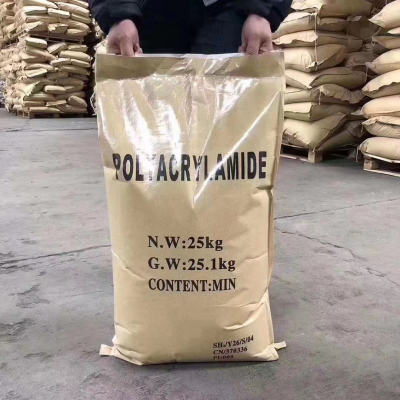
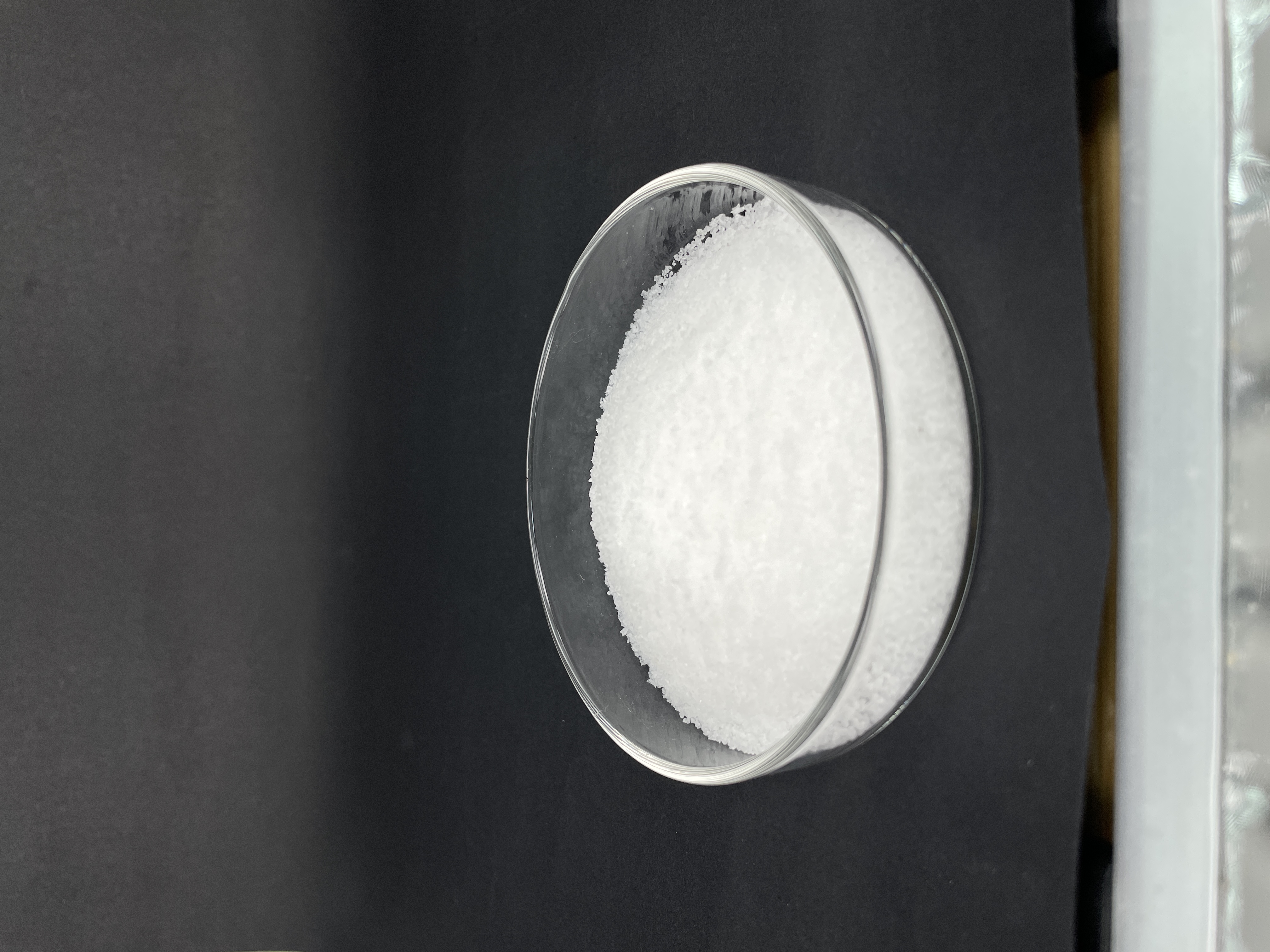
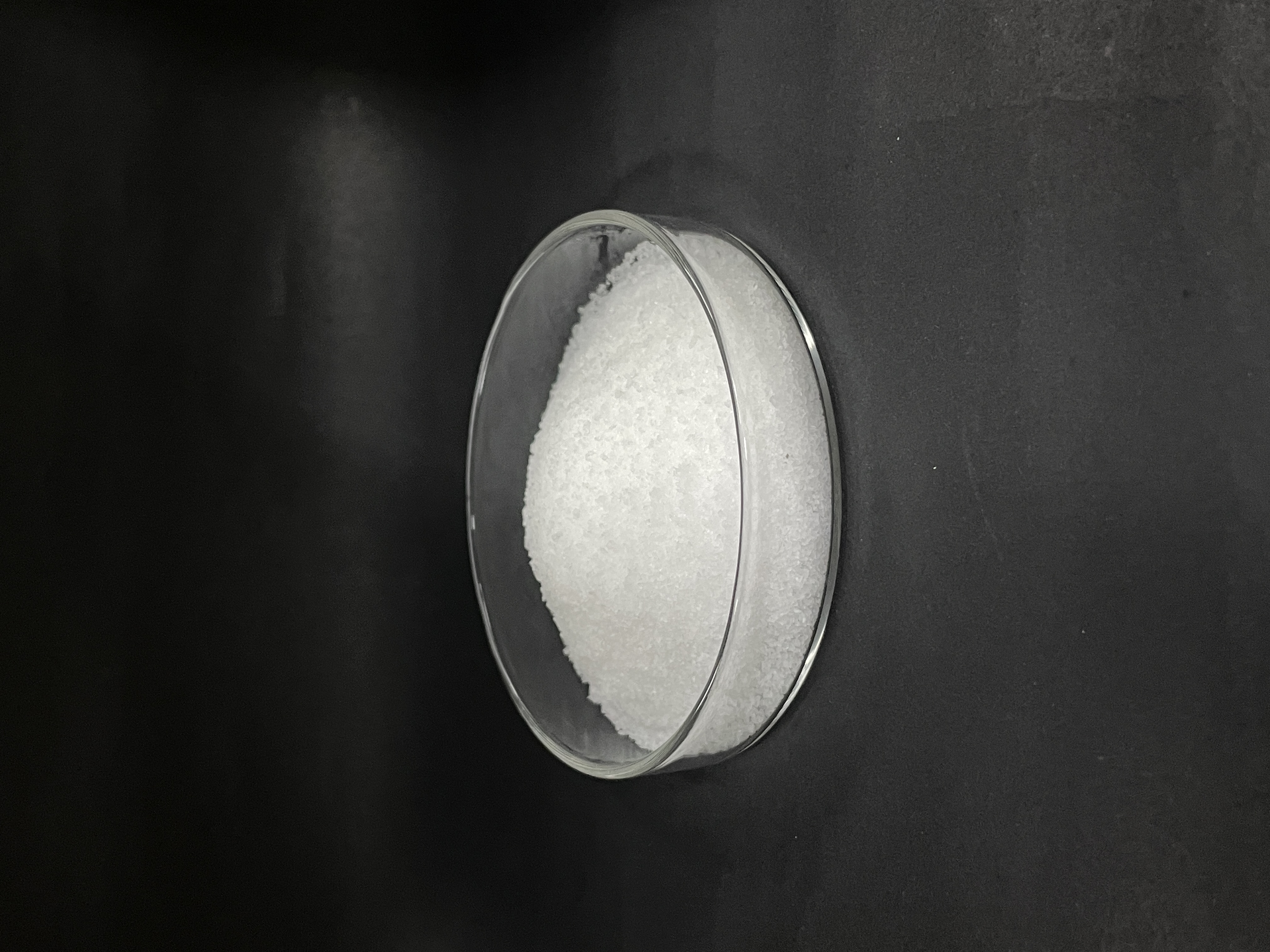
Polyacrylamide, with the English name Poly(acrylamide), CAS number 9003-05-8, and molecular formula (C₃H₅NO)ₙ, is a linear organic polymer compound. It is also a high‑molecular‑weight flocculant used in water treatment, specifically designed to adsorb suspended particles in water. It acts by bridging between particles, linking fine particles into larger flocs and accelerating the sedimentation rate. This process is called flocculation. Due to its excellent flocculation performance, PAM is widely employed as a flocculant in water and wastewater treatment.
Regarding the mesh size of polyacrylamide: Mesh size refers to the particle size or fineness of a material. It is defined as the number of openings per linear inch (i.e., the number of openings in a sieve mesh within a 1 inch × 1 inch area).
I. Classification of Polyacrylamide
- By Physical Form:Mainly divided into dry powder and gel (colloidal) forms.
- By Ionic Character:Can be classified into four types:
- Anionic Polyacrylamide (APAM)
- Cationic Polyacrylamide (CPAM)
- Non‑ionic Polyacrylamide (NPAM)
- Amphoteric Polyacrylamide
- By Average Molecular Weight:
- Low molecular weight (< 1 million)
- Medium molecular weight (2 – 4 million)
- High molecular weight (> 7 million)
Note:Structurally, it can also be divided into non‑ionic, anionic, and cationic types.
II. Product Characteristics
1. Features of Dry‑powder Polyacrylamide:
(1) Well‑serialized, offering users a wide range of choices.
(2) Stable quality, low dosage requirement, and clear cost‑performance advantages.
(3) High‑quality functional product, meeting the demanding requirements of high‑speed operating equipment.
2. Features of Emulsion Polyacrylamide:
(1) Cross‑linked network structure, strong flocculation capability, wide pH adaptation range.
(2) Rapid flocculation, dense and firm flocs, low moisture content between flocs.
(3) High solid recovery rate, low suspended solids content in the supernatant.
(4) Extremely fast dissolution; solution preparation requires only 30‑60 minutes.
(5) When used in dewatering, can increase cake solids content by 2‑5%, which is unattainable with conventional dry‑powder products.


III. Mechanism of Action of PAM
1. Principle of Flocculation:
When PAM is used as a flocculant, its effectiveness relates to the type and surface properties of the suspended material—especially surface potential, viscosity, turbidity, and the pH of the suspension. The zeta potential on particle surfaces is a cause of particle repulsion. Adding PAM with a surface charge opposite to that of the particles reduces the zeta potential, leading to coagulation.
2. Bridging Adsorption:
PAM molecular chains anchor onto different particle surfaces, forming polymeric bridges between particles, which causes the particles to aggregate and settle.
3. Surface Adsorption:
Polar groups on PAM molecules adsorb onto particles through various interactions.
4. Strengthening Effect:
PAM molecular chains interact with the dispersed phase through mechanical, physical, and chemical mechanisms, linking the dispersed phase into a network structure, thereby providing a strengthening effect.