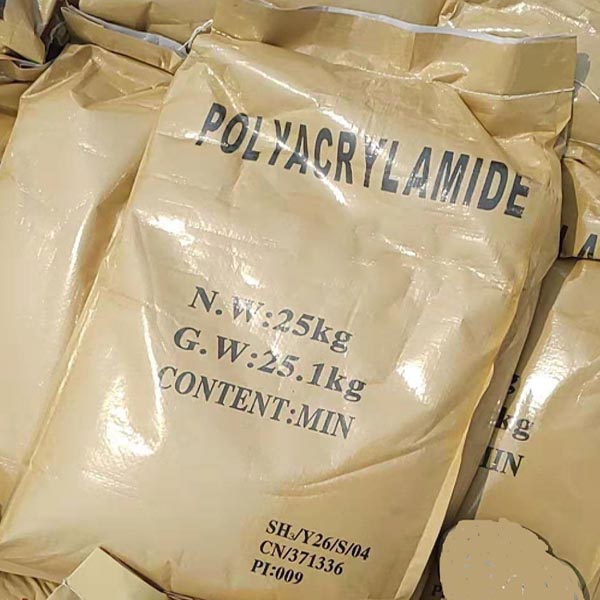
FAQ 1: What is Polyacrylamide (PAM) used for?
Polyacrylamide (PAM) is a high-molecular polymer widely used in water treatment, wastewater treatment, mining, oilfield drilling, and paper production. It works mainly as a flocculant, helping improve sedimentation, sludge dewatering, and solid-liquid separation efficiency.
FAQ 2: How to distinguish different types of Polyacrylamide (PAM)?
Polyacrylamide is generally divided into anionic, cationic, and nonionic types, and the main difference lies in their ionic charge and application fields:
-
Anionic PAM is commonly used for inorganic wastewater treatment, mining, and sand washing.
-
Cationic PAM is suitable for organic sludge dewatering, municipal sewage, and industrial wastewater.
-
Nonionic PAM is often applied in acidic wastewater treatment and certain mineral processing industries.
The correct type can usually be identified by checking the ionic degree, molecular weight, and application test results.
FAQ 3: How can customers choose the right PAM for their application?
To select the suitable PAM, customers should consider factors such as wastewater type, pH value, sludge concentration, and treatment process. Jar testing is commonly recommended to determine the most effective grade. Reliable suppliers can provide sample testing, TDS, and technical guidance for industrial users.