
Essential details
MOQ:27MT
Lead time:10 working days
Shipping:Ocean freight
Product Introduction
Product Introduction
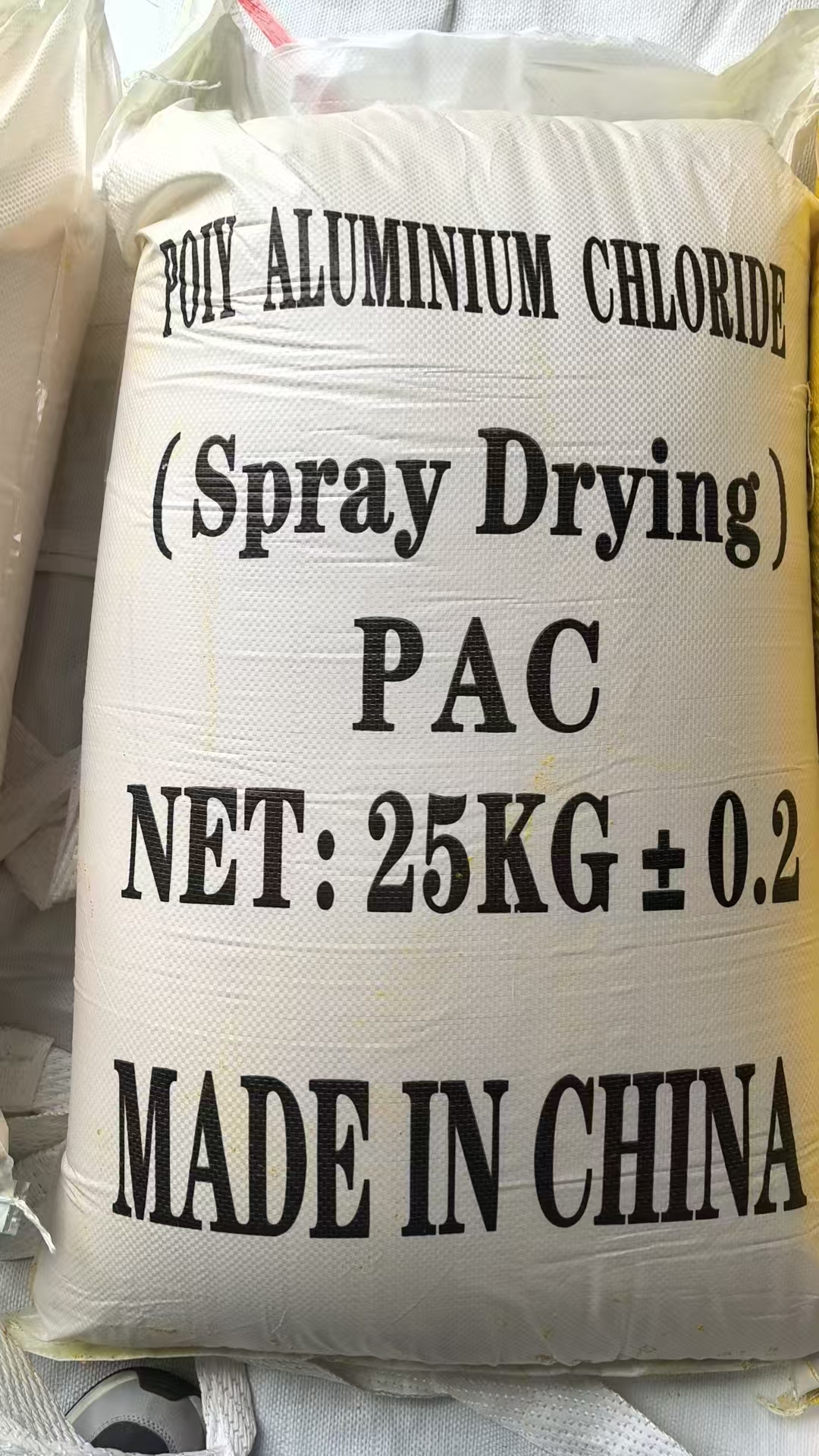
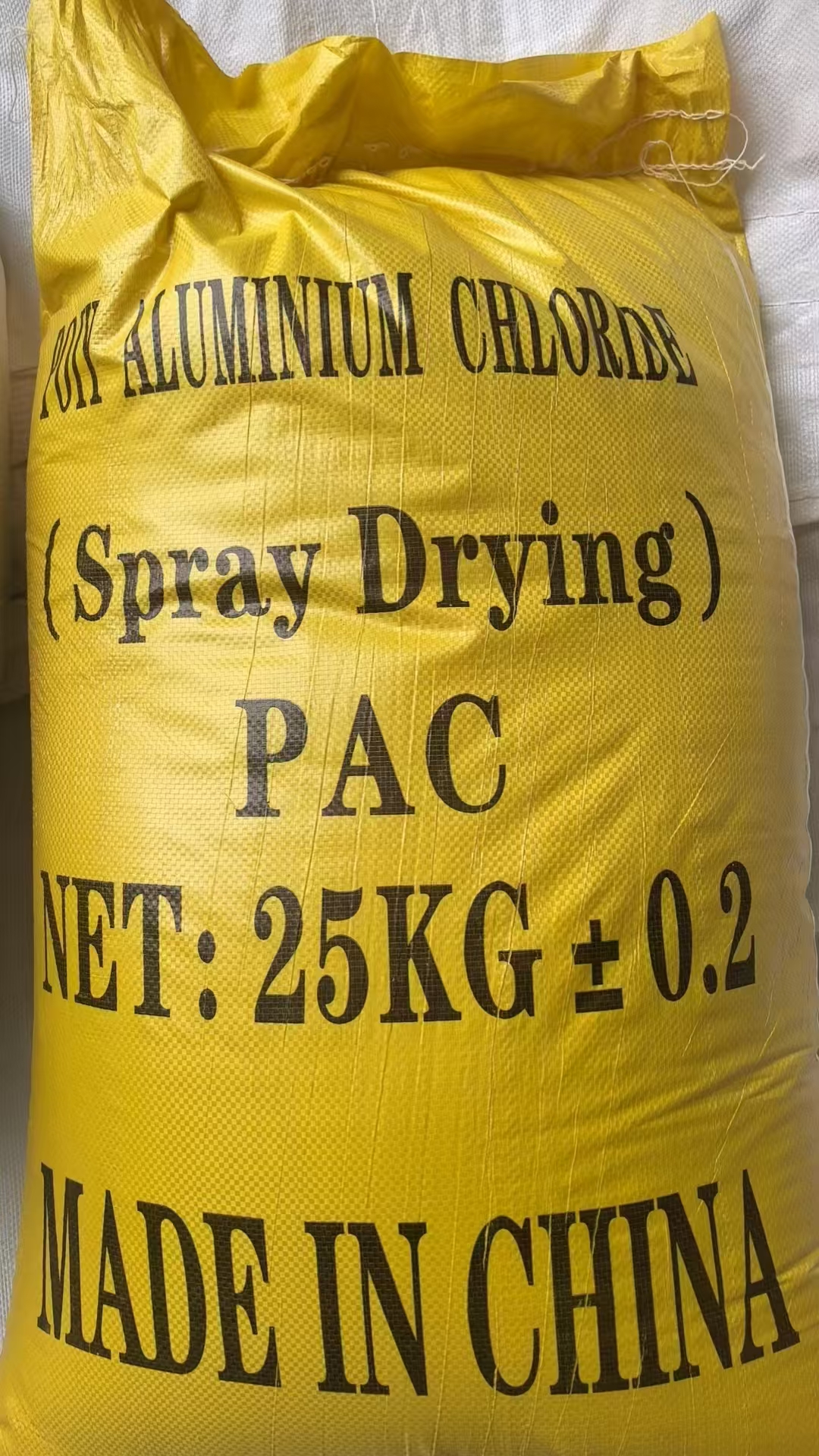
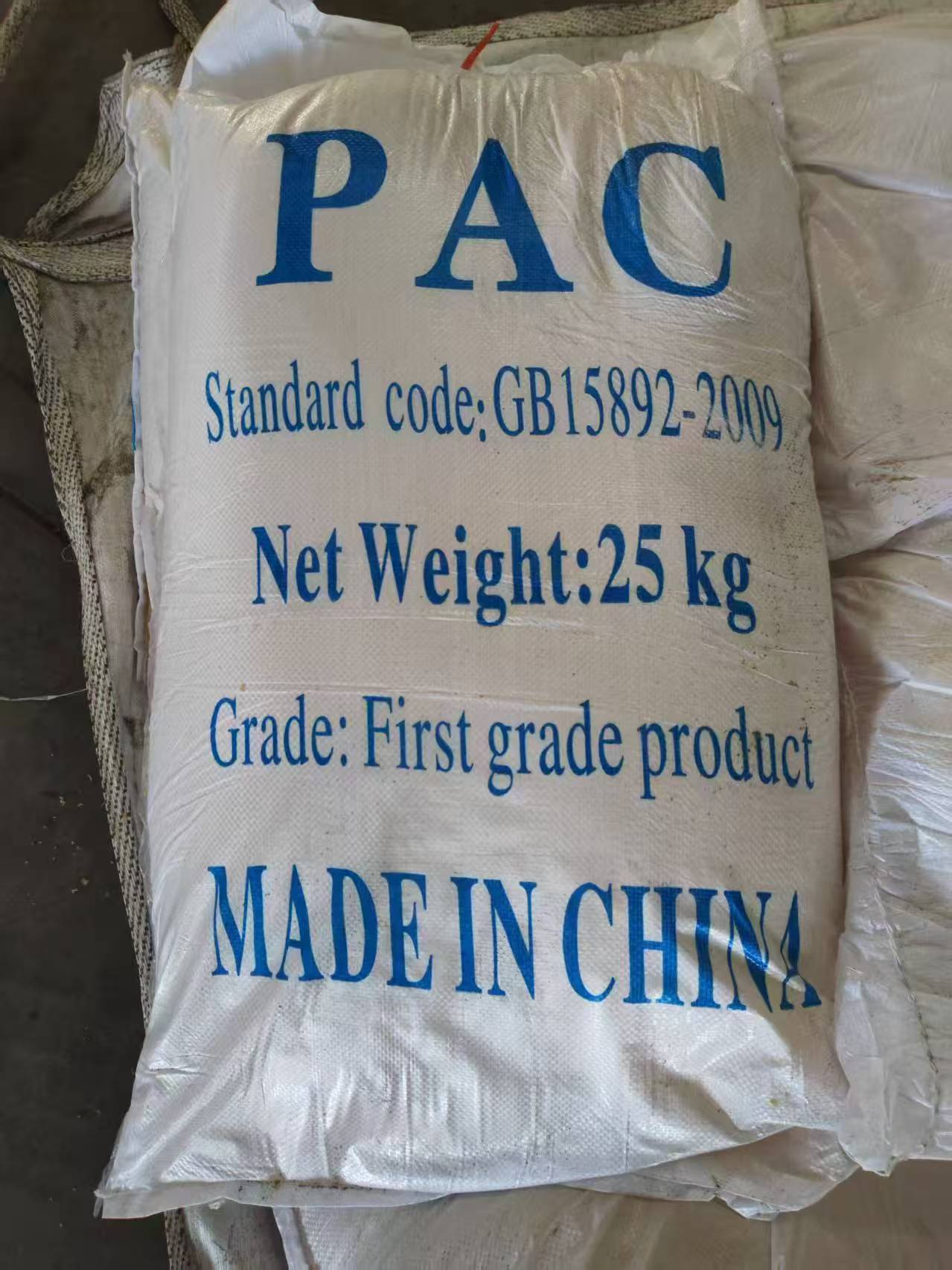
Poly Aluminum Chloride (PAC) is a high-performance inorganic polymer coagulant widely used in drinking water purification, industrial and municipal wastewater treatment, papermaking, and dyeing. It works efficiently through charge neutralization and adsorption bridging, forming dense flocs that settle rapidly. Our PAC products feature high aluminum oxide content, adjustable basicity, and low insoluble matter, ensuring effective turbidity, phosphorus, and organic removal across a broad pH range (5.0–9.0). Available in powder and liquid forms, they are cost-effective, reduce sludge production, and comply with international standards such as GB/T 22627-2014. Suitable for various water conditions, PAC delivers reliable, efficient, and environmentally friendly coagulation for industrial and municipal applications.
Parameters
Parameter | Specification (Typical Range) | Test Method |
Aluminum Oxide (Al₂O₃) Content | 27% - 31% | GB/T 22627-2014 / QB/T 2605 |
Basicity | 40% - 90% (Customizable) | GB/T 22627-2014 |
Water Insoluble Matter | ≤ 0.6% | GB/T 22627-2014 |
pH Value (1% Aqueous Solution) | 3.5 - 5.0 | GB/T 22627-2014 |
Iron (Fe) Content | ≤ 0.3% | GB/T 22627-2014 |
Sulfate (as SO₄²⁻) | ≤ 3.5% | GB/T 13025.8 |
Heavy Metals (as Pb) | ≤ 0.001% | GB/T 22627-2014 |
Arsenic (As) Content | ≤ 0.0005% | GB/T 22627-2014 |


Application
PAC acts as a high-efficiency coagulant in drinking water treatment by neutralizing the negative charges of suspended particles, enabling rapid floc formation and sedimentation to reduce turbidity and remove pathogens.
Poly Aluminum Chloride serves as a primary flocculant in industrial wastewater treatment (e.g., textile, electroplating, and food processing), effectively precipitating heavy metals, oils, and organic colloids to meet discharge standards.
Poly aluminum Chloride functions as a retention and drainage aid in the papermaking industry, improving the retention of fillers and fibers while enhancing the dewatering efficiency of wet paper webs.
Industrial-grade PAC acts as a sludge conditioning agent in municipal sewage plants, accelerating the dewatering of excess sludge to reduce volume and disposal costs.