
Item / Parameter | Specification |
Product Name | Polyacrylamide (PAM) |
Chemical Formula | (C₃H₅NO)ₙ |
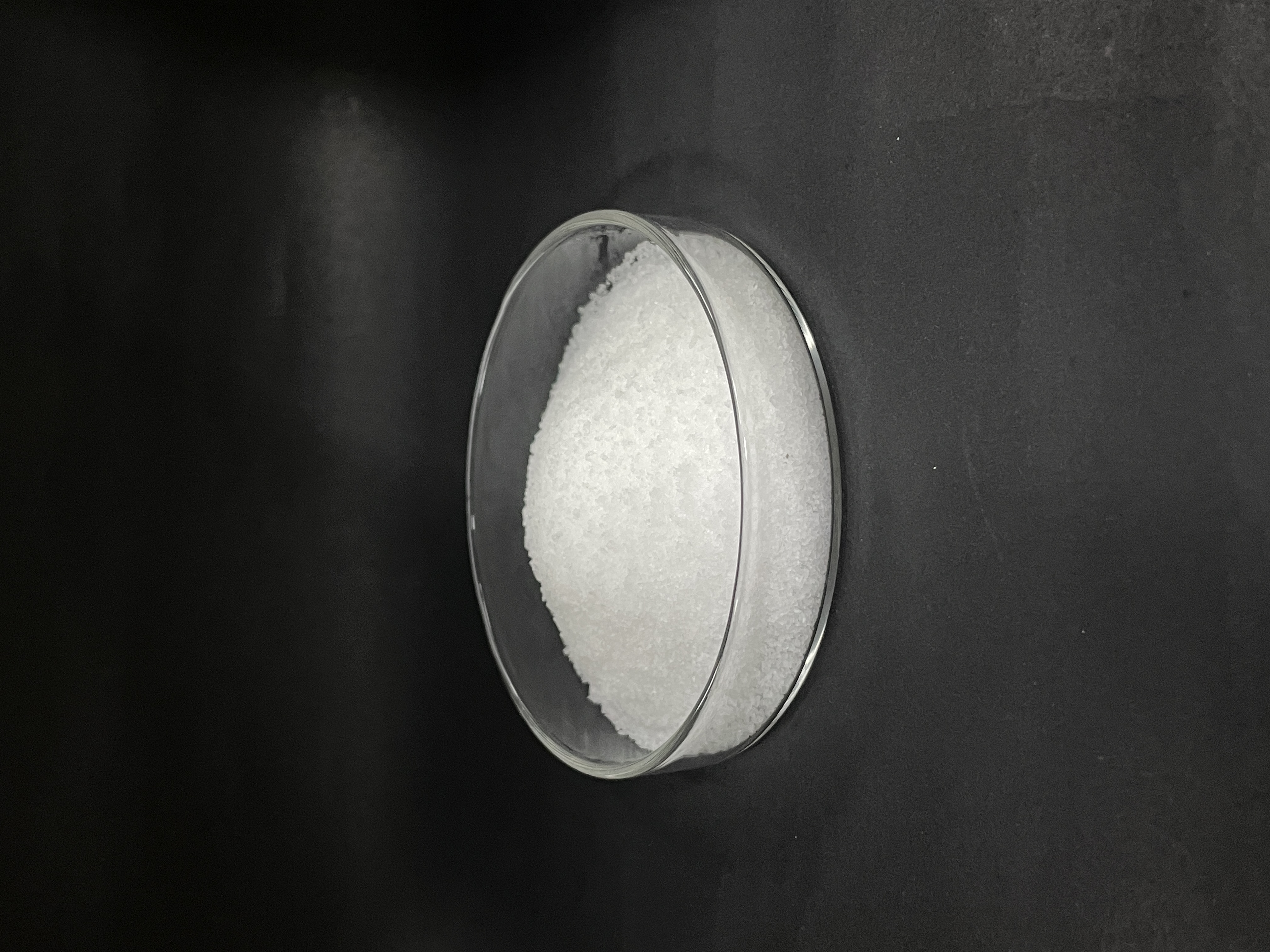
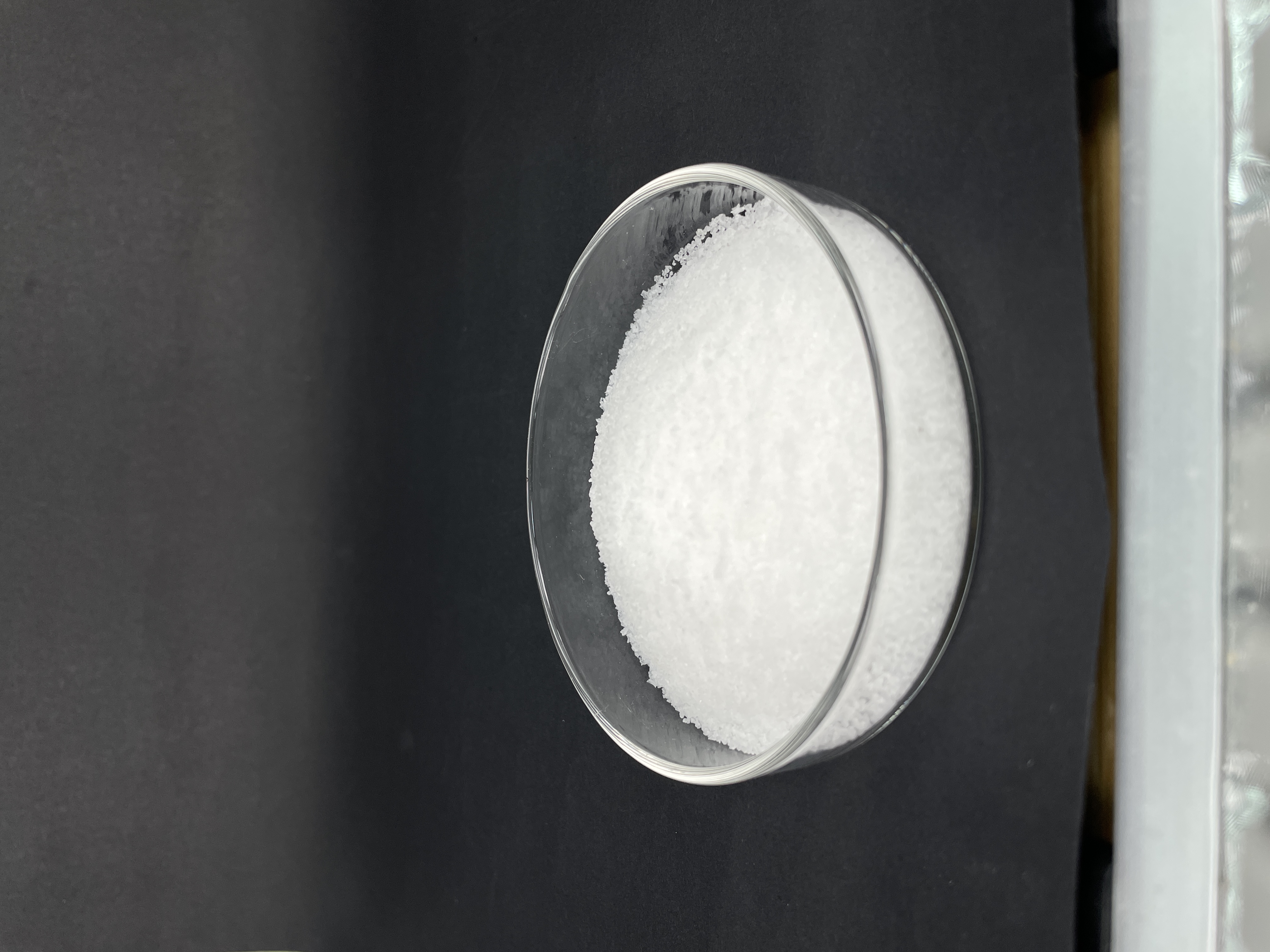
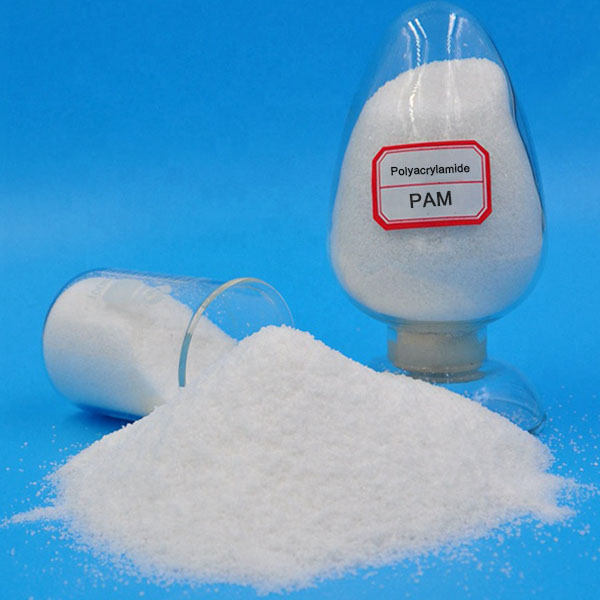
Appearance | White or off-white powder / granule |
Ionic Type | Anionic / Cationic / Nonionic |
Molecular Weight | 5–25 million (customizable) |
Ionic Degree | Anionic: 5–40%Cationic: 5–60%Nonionic: ≤5% |
Solid Content | ≥ 88% |
Residual Monomer (Acrylamide) | ≤ 0.05% |
Bulk Density | 0.6 – 0.8 g/cm³ |
pH Value (0.1% solution) | 4.0 – 8.0 |
Solubility | Soluble in water, insoluble in most organic solvents |
Dissolution Time | ≤ 60 minutes |
Recommended Dosage | 1–10 ppm (depending on application) |
Shelf Life | 24 months |
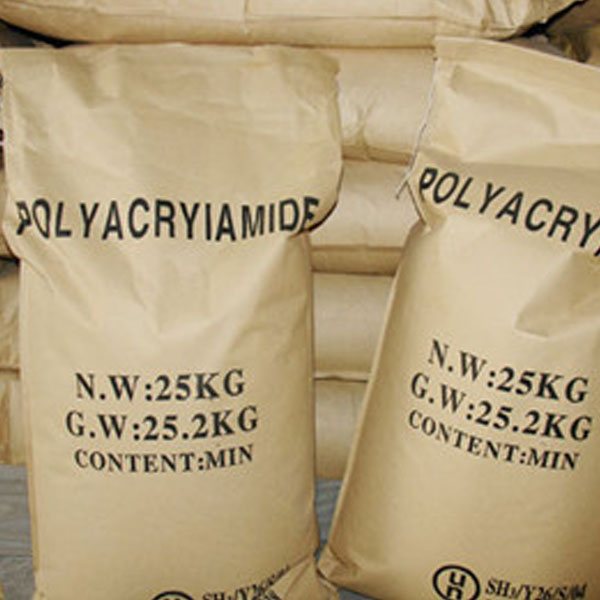
Packaging | 25 kg kraft paper bag with PE inner lining |
Storage Condition | Cool, dry place, away from moisture and sunlight |


PAM is widely used in municipal sewage treatment, industrial wastewater treatment, and drinking water clarification. It improves flocculation efficiency, accelerates sedimentation, and enhances sludge dewatering performance.
PAM helps reduce sludge moisture content, improve filter cake dryness, and increase dewatering efficiency in belt filter presses, centrifuges, and plate-and-frame filter presses.
PAM is applied in tailings treatment, mineral concentration, and solid-liquid separation processes, enhancing settling speed and improving water recycling efficiency.
PAM is used in drilling fluids, enhanced oil recovery (EOR), and fracturing fluids to increase viscosity, improve fluid stability, and optimize oil recovery rates.
PAM functions as a retention and drainage aid, improving paper strength, increasing fiber retention, and enhancing overall production efficiency.
PAM is used for wastewater treatment and process optimization in textile dyeing, chemical manufacturing, and related industries.
PAM assists in clarifying process water and treating high-organic wastewater generated during production.