
Product Introduction
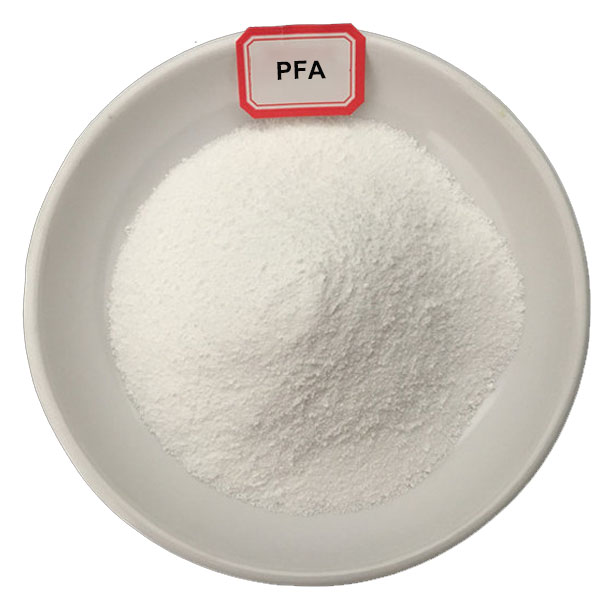
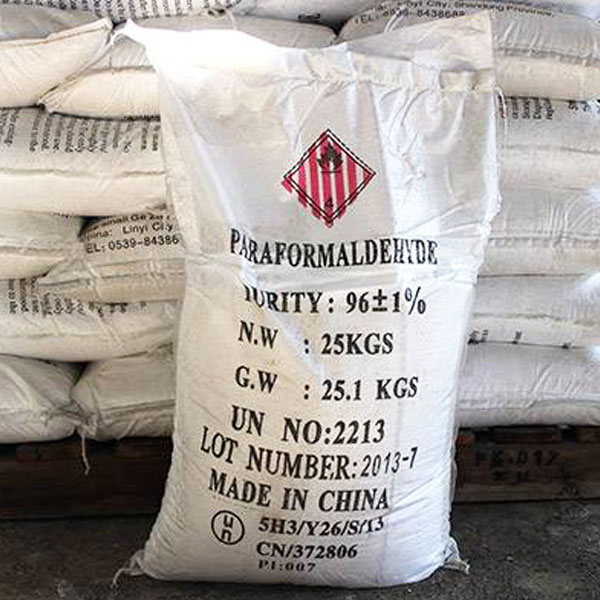
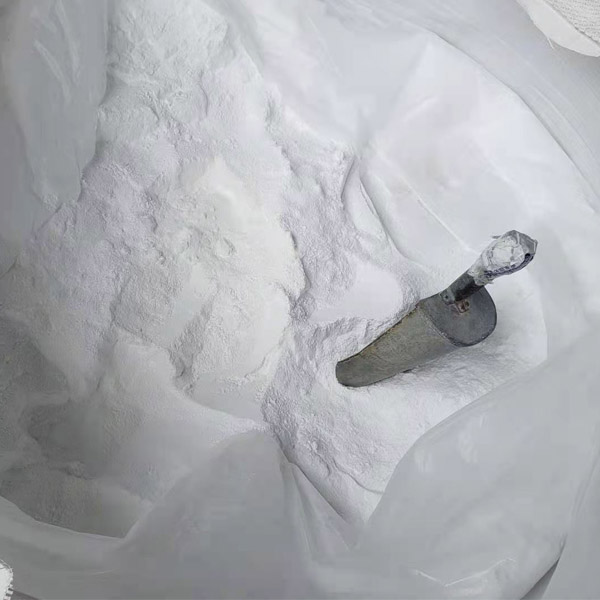
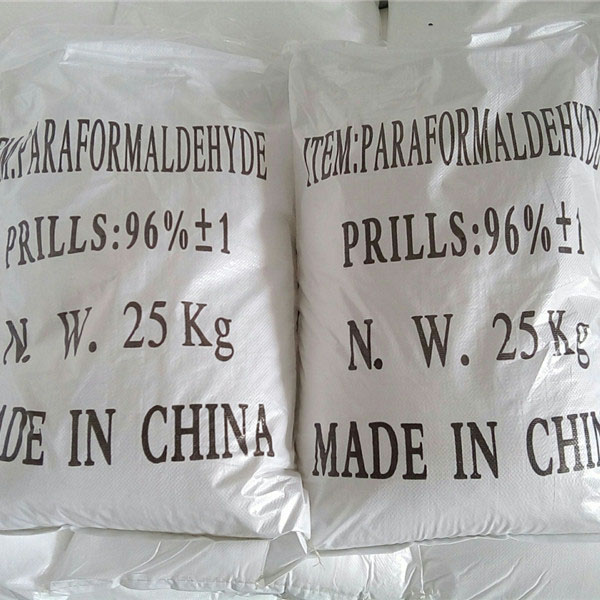
Paraformaldehyde, a formaldehyde polymer with the formula (C2H6O2), appears as white crystalline powder/flake. It is insoluble in cold water but soluble in hot water, releasing formaldehyde gas when heated or exposed to acids/bases.
Chemically, it’s a key formaldehyde source for synthesizing resins (e.g., phenolic, urea-formaldehyde), plastics, and pharmaceuticals. Agriculturally, it acts as a disinfectant and fumigant to control pests/pathogens in soil and storage. In histology, it fixes biological specimens by cross-linking proteins to preserve structures.
Handle with gloves, goggles, and a respirator in well-ventilated areas—toxic and irritating to eyes, skin, and respiratory system. Store sealed in a cool, dry place, away from heat, acids, bases, and oxidizers to prevent accelerated formaldehyde release.
Product Parameters
Parameter | Details |
Chemical Name | Paraformaldehyde |
Chemical Formula | (CH₂O)ₙ (where n typically ranges from 8 to 100) |
Appearance | White crystalline powder or flake |
Solubility | Insoluble in cold water; soluble in hot water |
Key Property | Releases formaldehyde gas when heated or exposed to acidic/basic conditions |
Chemical Applications | Key formaldehyde source for synthesizing resins (phenolic, urea-formaldehyde), plastics, and pharmaceuticals |
Agricultural Applications | Disinfectant and fumigant to control pests and pathogens in soil and storage facilities |
Scientific Applications | Fixative for biological specimens in histology (preserves structures by cross-linking proteins) |
Handling Precautions | Wear gloves, goggles, and respirator; work in well-ventilated areas (toxic and irritating to eyes, skin, respiratory system) |
Storage Requirements | Store sealed in a cool, dry place; keep away from heat, acids, bases, and oxidizers (to prevent accelerated formaldehyde release) |


Chemical Field
Paraformaldehyde serves as a key formaldehyde source in organic synthesis. It is widely utilized in the production of various resins, including phenolic resins and urea-formaldehyde resins, which are essential materials in many industrial processes. Additionally, it plays a vital role in the manufacturing of plastics and pharmaceuticals, providing the necessary raw material foundation for these industries.
Agricultural Field
In agriculture, paraformaldehyde functions as an effective disinfectant and fumigant. It is employed to control pests and pathogens in soil, ensuring the health of crops by reducing the risk of diseases and infestations. Moreover, it is used in storage facilities to protect stored agricultural products from harmful organisms, maintaining their quality and extending their storage life.
Scientific Field
Within the scientific realm, particularly in histology, paraformaldehyde acts as a crucial fixative for biological specimens. It works by cross-linking proteins in the specimens, which helps preserve their cellular structures and morphological characteristics. This preservation is essential for accurate observation, analysis, and research in histology and related fields.