

1. For agricultural B2B clients, NaNO₃ works as a high-efficiency nitrogen source. It fuels nitrate-loving crops (beets, spinach) and performs better than urea in alkaline soils, supporting large-scale farming.
2. Sodium nitrate aids glass manufacturers as a flux: it lowers melting temps, boosts transparency, and cuts energy use—ideal for mass glass production.
3. NaNO₃ serves as a reliable quenching medium for metal processors, enhancing steel hardness with controlled cooling to minimize deformation in batch operations.
4. For chemical B2B clients, sodium nitrate enables high-yield synthesis of nitric acid, sodium nitrite, etc., improving raw material efficiency and reducing costs.
5. Food-grade NaNO₃ acts as a compliant preservative/color fixative for meat processors, inhibiting harmful bacteria and maintaining fresh color per industry standards.

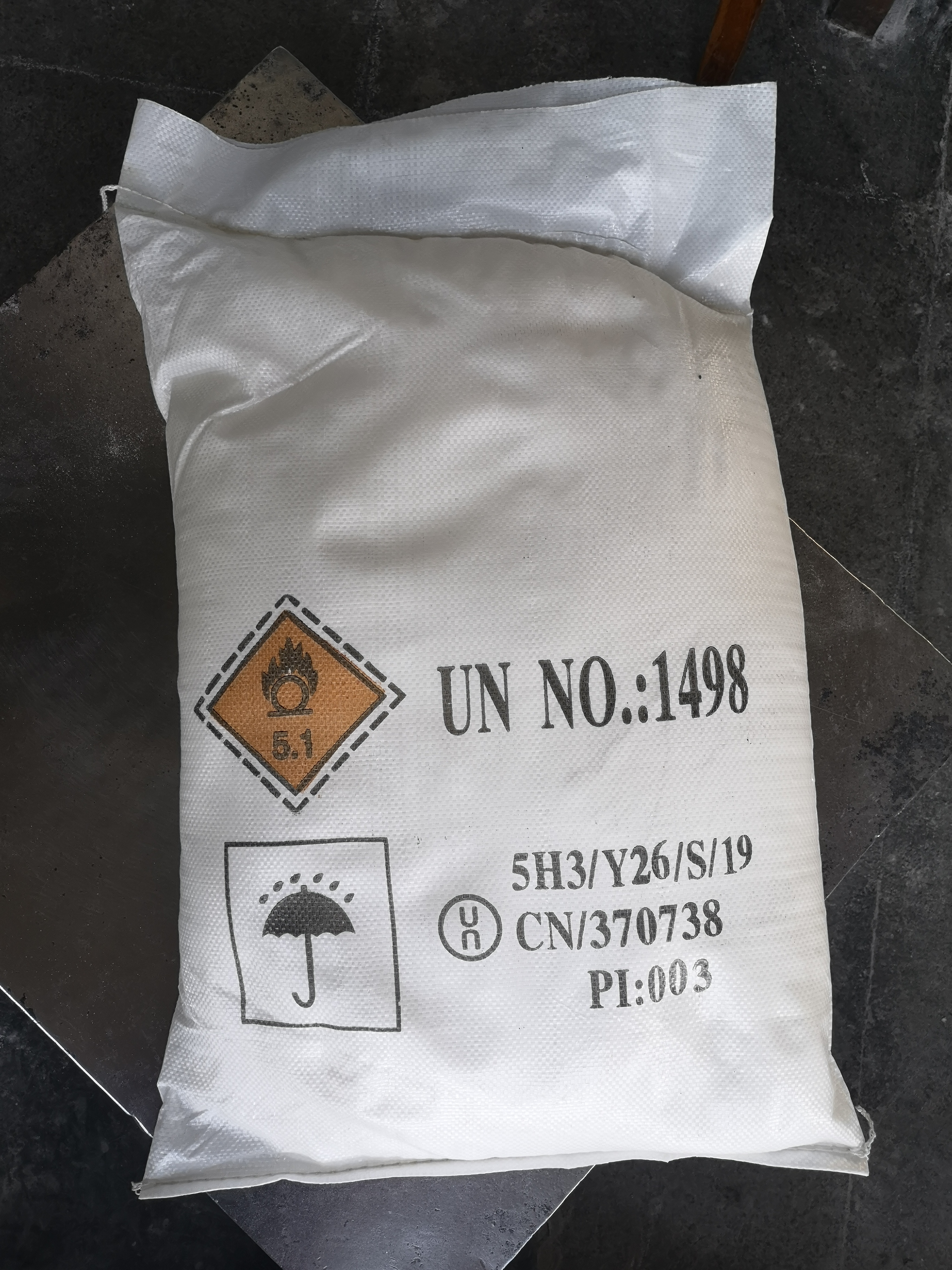
1. Operate in a closed environment with enhanced ventilation. Operators must receive specialized training and strictly adhere to operating procedures. Operators are recommended to wear self-priming filter dust masks, chemical safety goggles, polyethylene protective clothing, and neoprene gloves.
2. Keep away from sources of fire and heat. Smoking is strictly prohibited in the workplace. Keep away from flammable and combustible materials. Avoid generating dust. Avoid contact with reducing agents, active metal powders, and acids. Handle with care during handling to prevent damage to packaging and containers. Equip the appropriate types and quantities of firefighting equipment and emergency leak response equipment. Empty containers may contain hazardous materials.
3. Storage Precautions: Store in a cool, well-ventilated warehouse. Keep away from sources of fire and heat. Keep the temperature below 30°C and the relative humidity below 80%. Store separately from reducing agents, active metal powders, acids, and flammable materials. Mixing should be avoided. Appropriate materials should be available in the storage area to contain leaks.